Caregiving can fill the day with appointments, calls, and small tasks. These 14 gift ideas focus on useful comforts for work, home, and moments of rest.
Consider the recipient’s routine and available space when choosing; a thoughtful practical gift is one that fits naturally into their day.
14 Gift Ideas for Caregivers
Zyllion ZMA-13 Shiatsu Back and Neck Massager with Heat
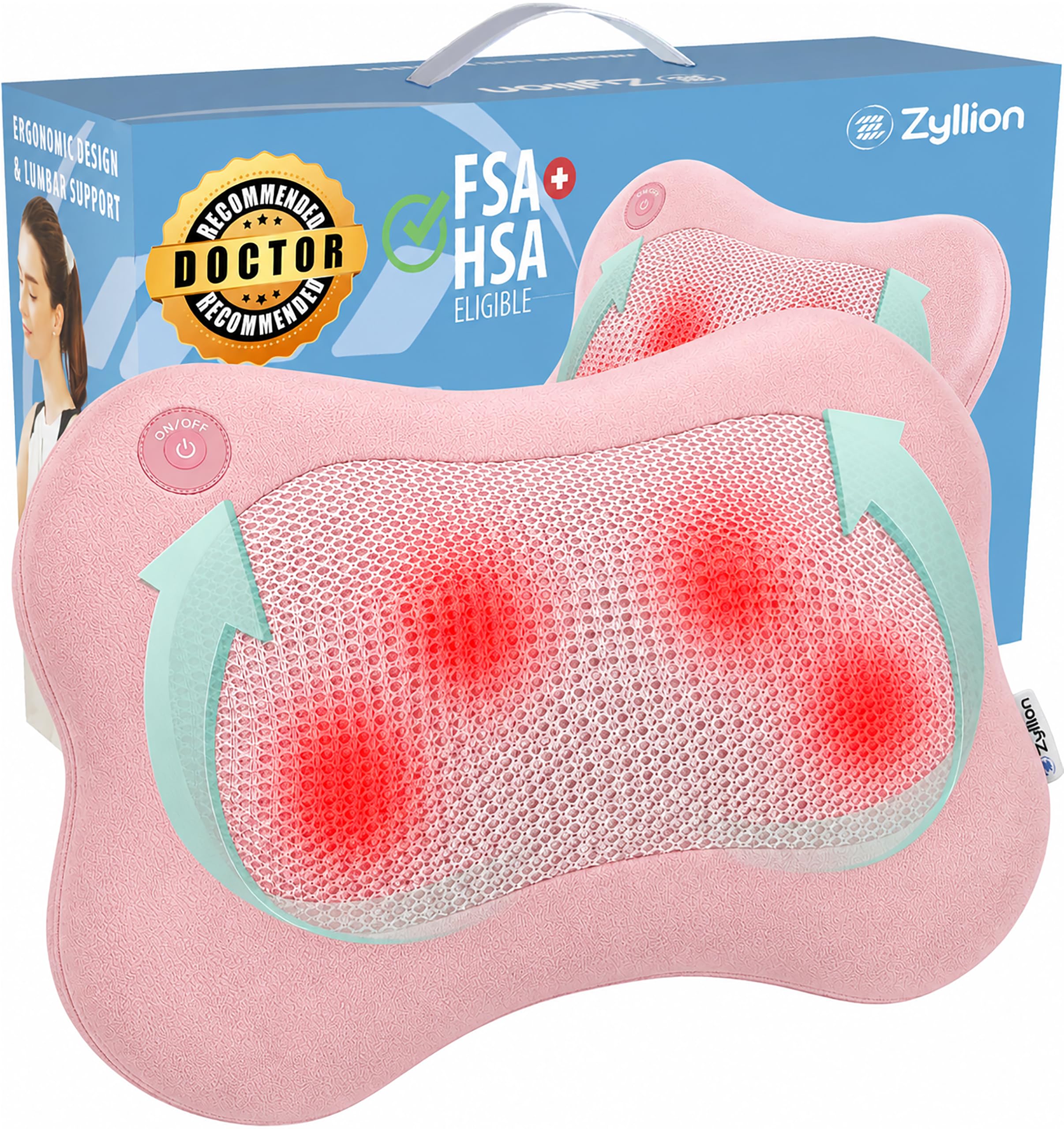
- Two soft silicone nodes on each side provide a kneading sensation for the upper and lower back.
- The massager can be secured to an office chair or car headrest with Velcro straps.
- It includes heat with overheat protection and automatic shutoff after 20 minutes.
Best Gift For: A caregiver who would appreciate a kneading massage pillow for relaxing at home.

RENPHO Shiatsu Foot Massager with Heat

- It combines shiatsu, kneading, rolling, and air squeezing massage techniques.
- Choose between 15- or 30-minute sessions and adjust heat between two levels.
- A remote or top panel controls the modes and intensity levels.
Best Gift For: A caregiver who spends long hours standing or sitting and likes at-home foot comfort.
PuroAir 100i Smart HEPA Air Purifier
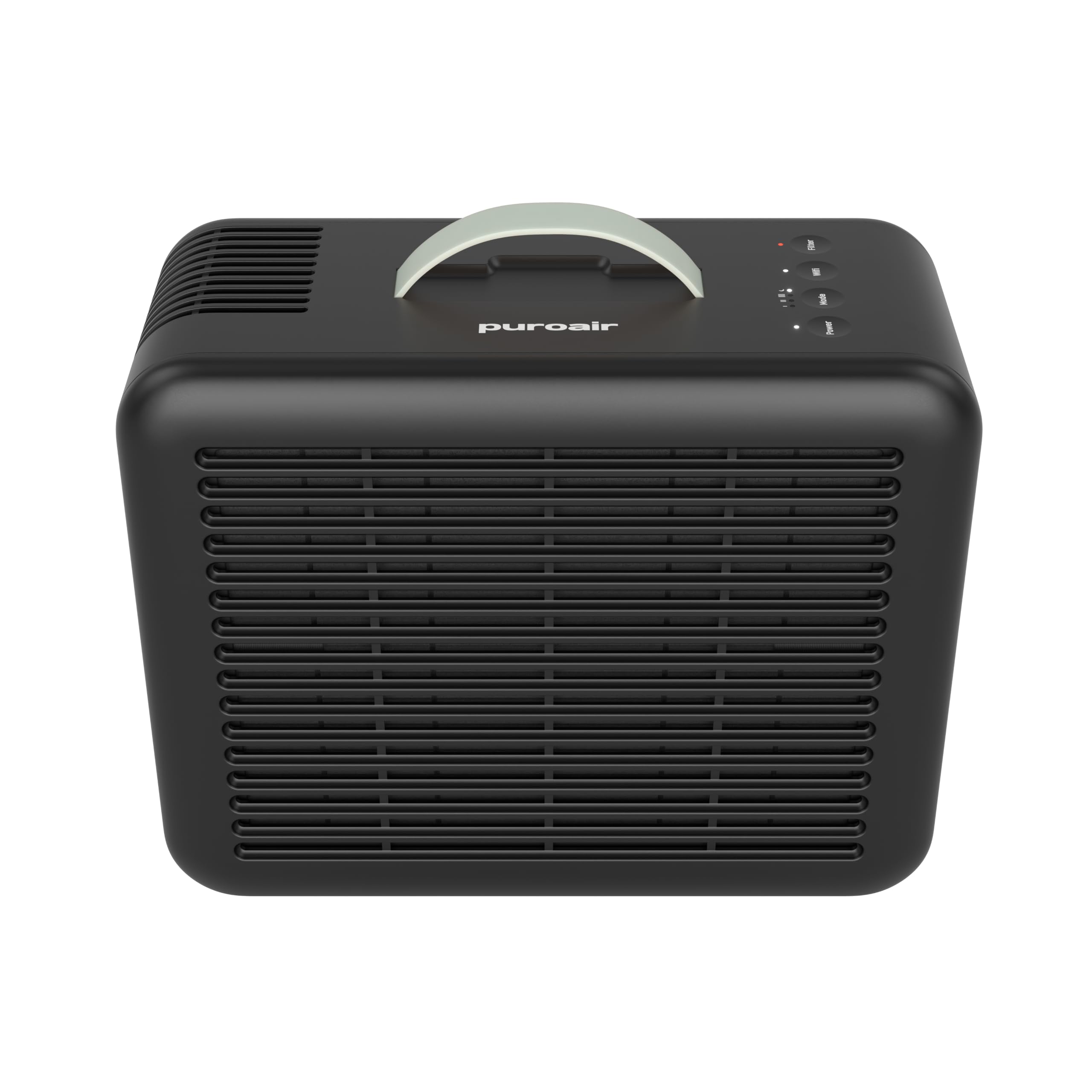
- Its three-layer filtration system includes a pre-filter, HEPA filter, and activated carbon.
- The app can control fan speed and settings over Wi-Fi.
- The purifier is designed for rooms up to 550 square feet.
Best Gift For: A caregiver looking for a phone-controlled air purifier for a bedroom or office.
JLab Go Work Wireless Headset with Microphone (1-Pack)
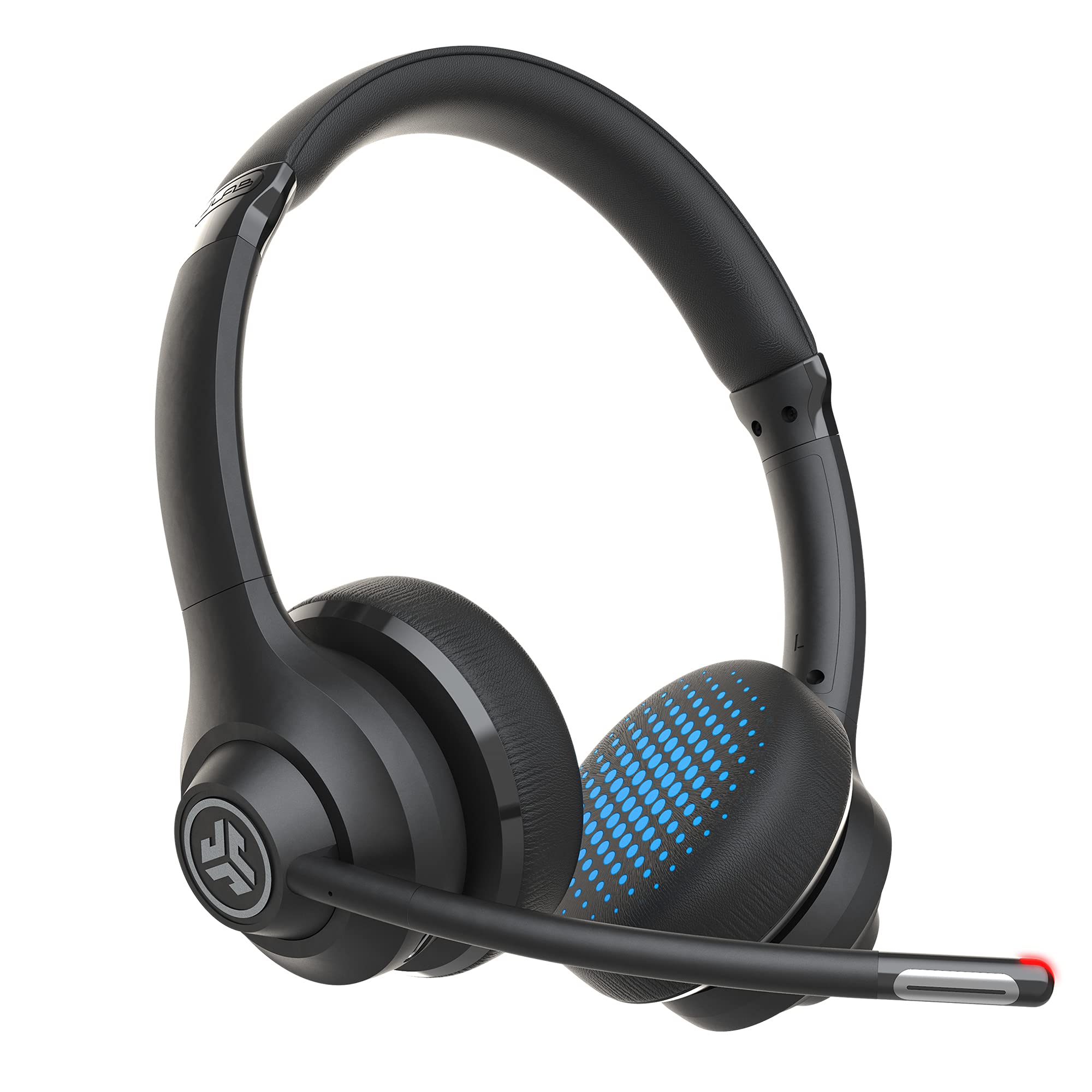
- Bluetooth multipoint allows connection to two devices at once.
- The boom microphone rotates up for listening and down for calls or video conferences.
- The headset includes a USB-C to 3.5mm AUX cable for wired use.
Best Gift For: A caregiver who takes work calls on a laptop and mobile device.
MyHalos 3D Blackout Sleep Mask (2-Pack)
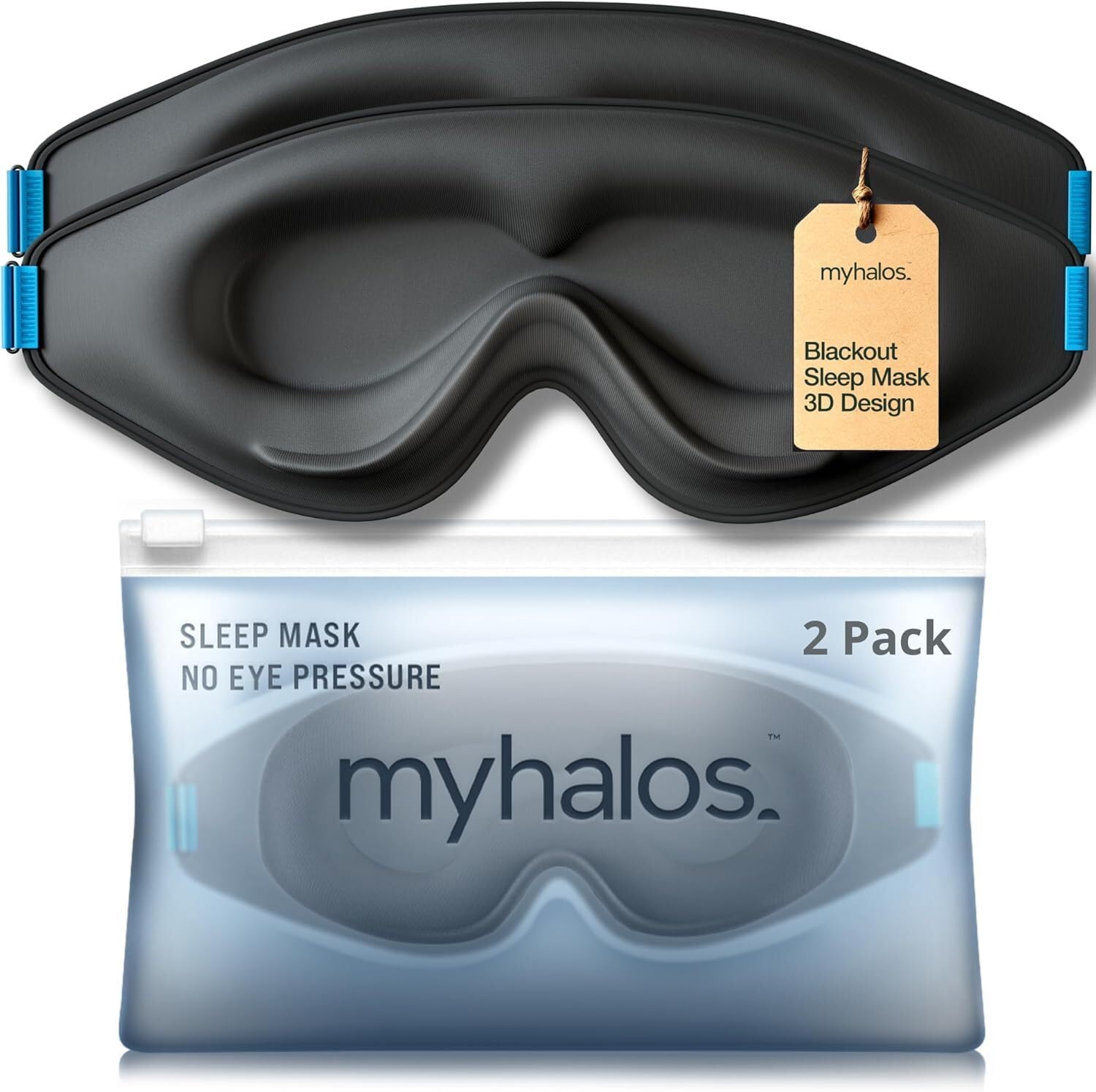
- Its contoured design is made to block light, with an improved 23 mm nose height.
- Deep eye cups are designed to prevent contact with eyelids or lashes.
- A protective travel pouch is included.
Best Gift For: A caregiver who would use a sleep mask for travel, naps, or light-sensitive sleep.
Clever Fox Planner PRO Light Undated Weekly Planner

- The planner has monthly, weekly, and daily agenda layouts.
- Its undated pages let the owner start at any time of year.
- It comes with a step-by-step illustrated user guide and planning stickers.
Best Gift For: A caregiver who likes to map appointments, weekly tasks, and personal goals on paper.
SONGMICS Adjustable Bed Laptop Desk
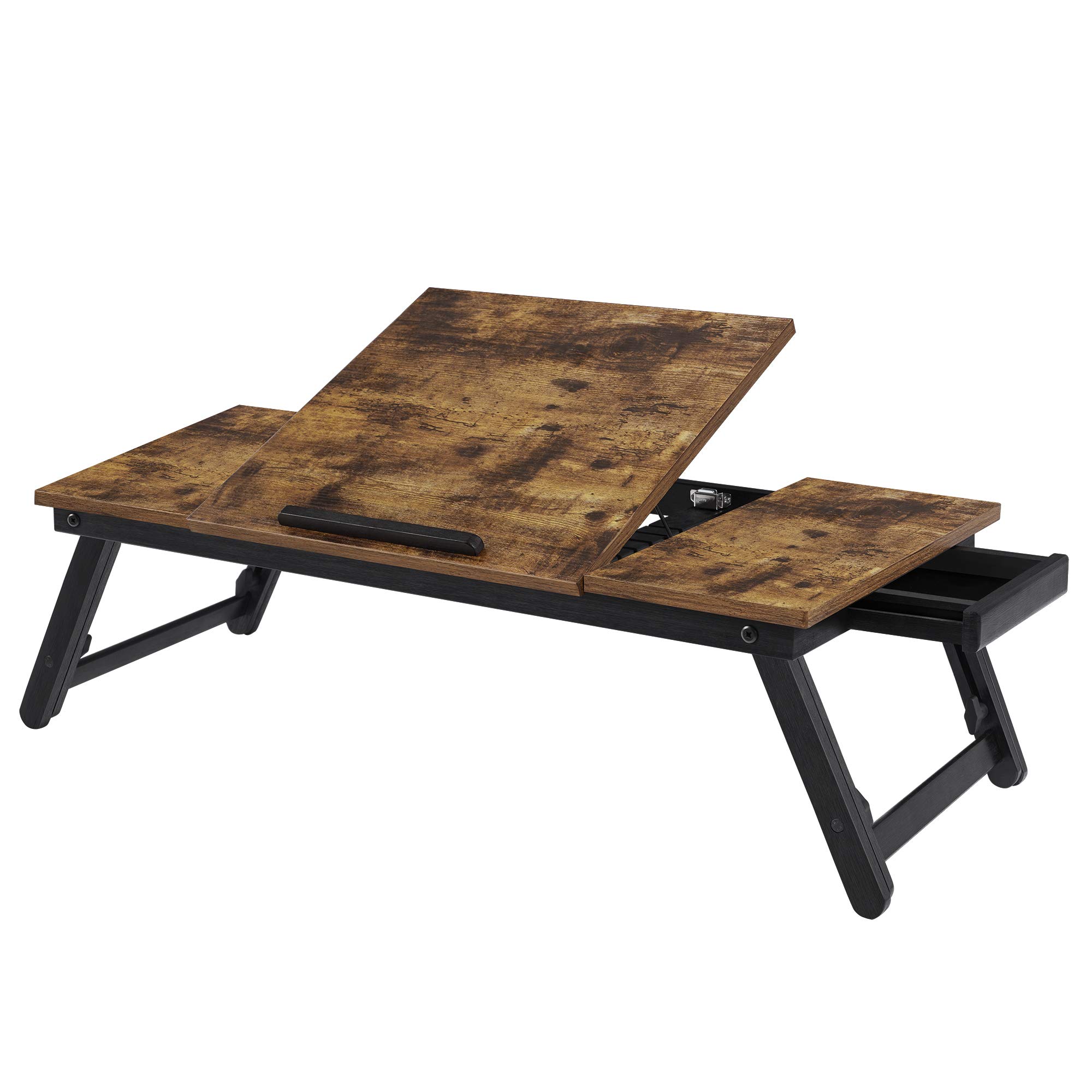
- The desk has adjustable height and five angle settings.
- Its symmetrical desktop leaves mouse space for right- and left-handed users.
- The top can be flattened to make a larger desktop surface.
Best Gift For: A caregiver who wants a portable surface for working, reading, or writing from bed or a sofa.
Mueller Living 1.8L Electric Kettle
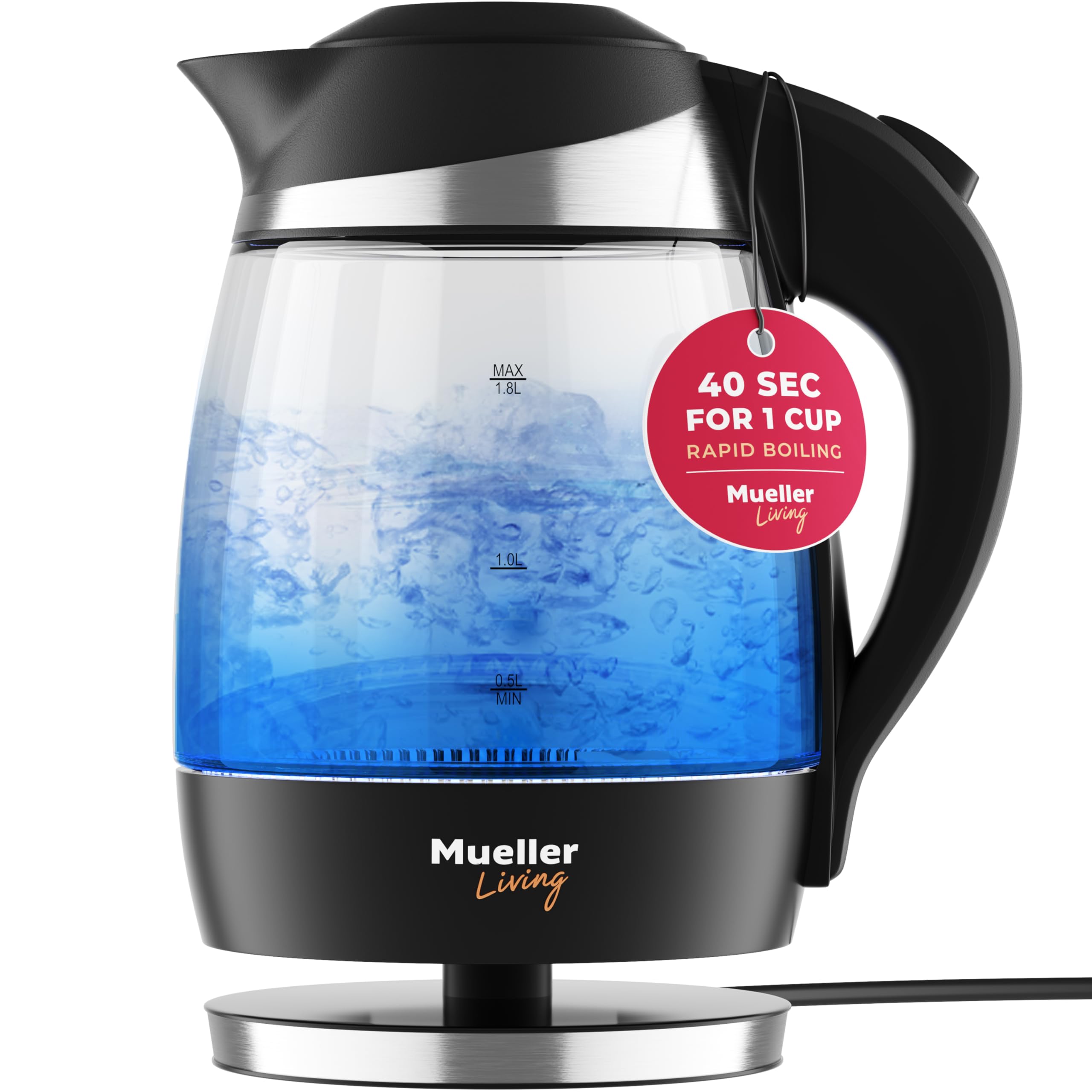
- The blue LED light turns off when the water is ready.
- The kettle switches off automatically when the water boils.
- Its removable filter can be washed.
Best Gift For: A caregiver who enjoys making tea, coffee, oatmeal, or a quick soup at home.
Everlasting Comfort Memory Foam Under-Desk Foot Rest
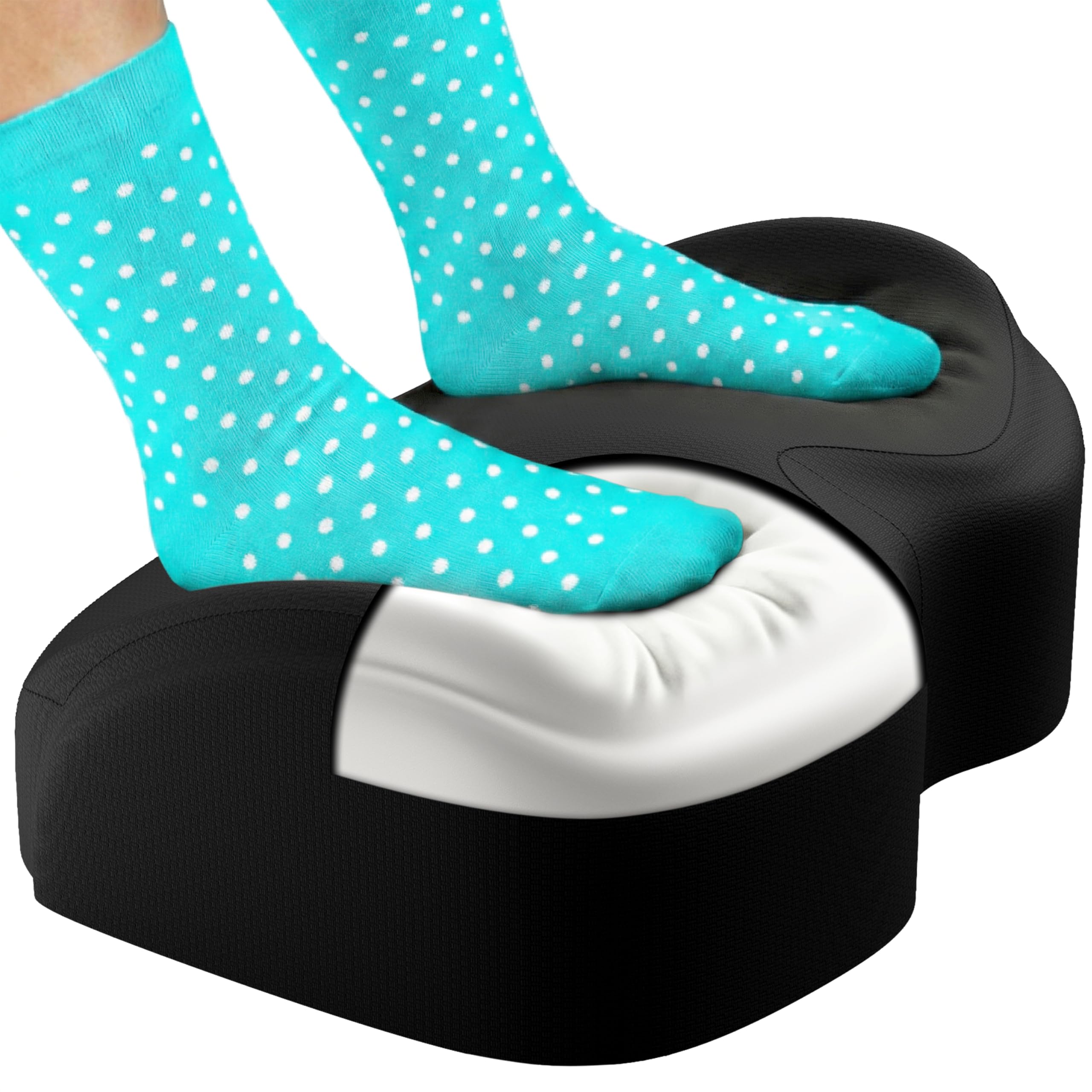
- The memory foam footrest is designed to keep feet elevated.
- Its cover is breathable and machine washable.
- A non-slip base helps it stay in place on carpet, tile, or hardwood.
Best Gift For: A caregiver who spends time working at a desk or computer station.
Hydracy 2L Motivational Water Bottle
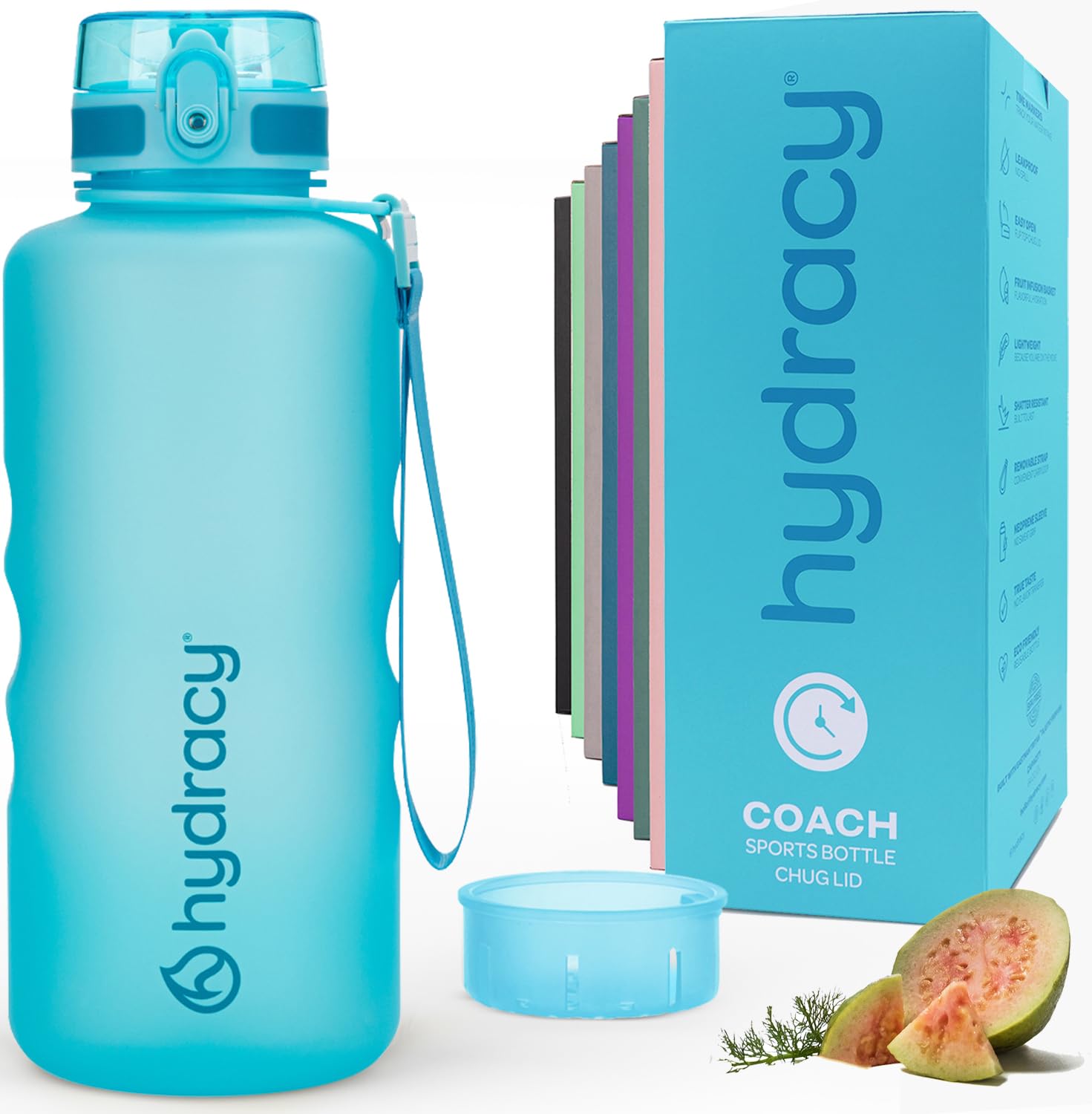
- A timeline on the bottle gives prompts for when to take a sip.
- It has a detachable carry strap and a flip-top lid.
- The wide mouth and fruit infusion strainer offer options for filling the bottle.
Best Gift For: A caregiver who carries water while walking, cycling, hiking, or working out.
Bare Home Cotton Weighted Blanket, Light Grey, 80"x87", 25lbs
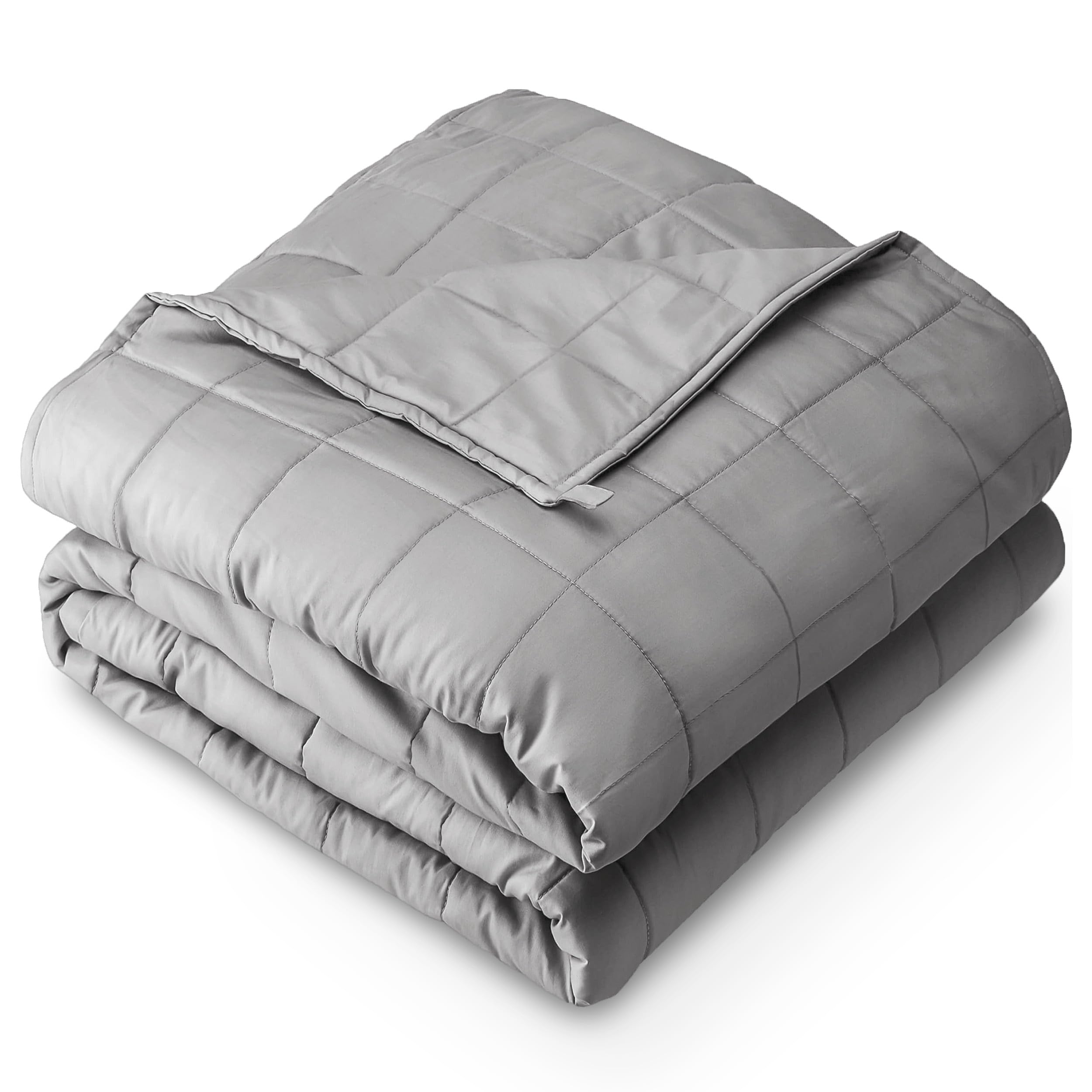
- The blanket uses cotton fabric and glass bead filling.
- Reinforced stitching and smaller pockets are designed to keep beads distributed.
- Corner loops can secure a duvet cover with corner ties.
Best Gift For: A caregiver who is interested in a weighted blanket and has checked that its size and weight suit them.
Everlasting Comfort 6L Cool Mist Humidifier
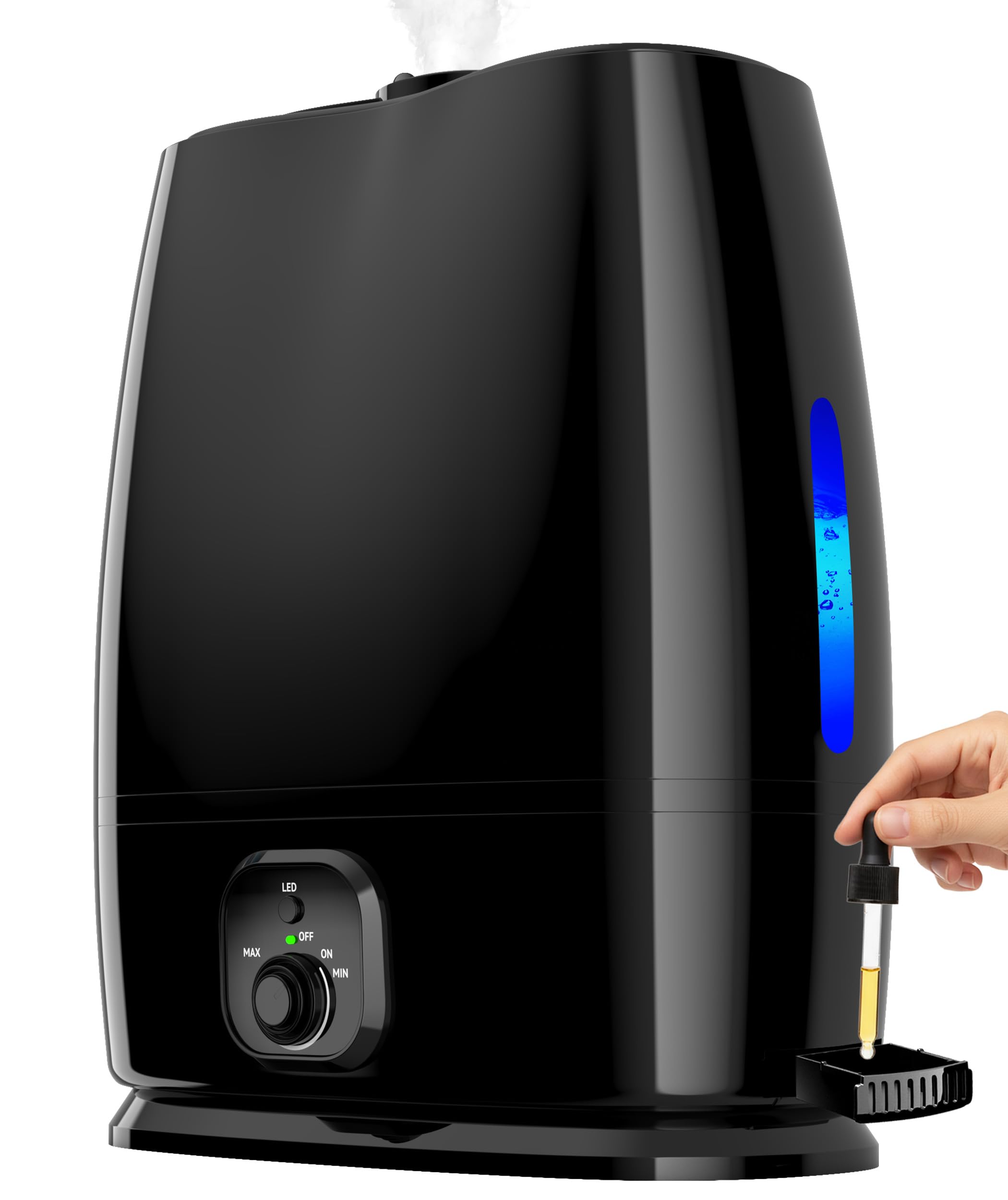
- The filterless design has a wide tank opening for cleaning.
- Mist output is adjustable, and the nozzle rotates 360 degrees.
- A tray accommodates essential oils and aromas.
Best Gift For: A caregiver choosing a humidifier for a bedroom, nursery, office, or plant space.
Honeywell QuietSet Whole Room Tower Fan with Remote
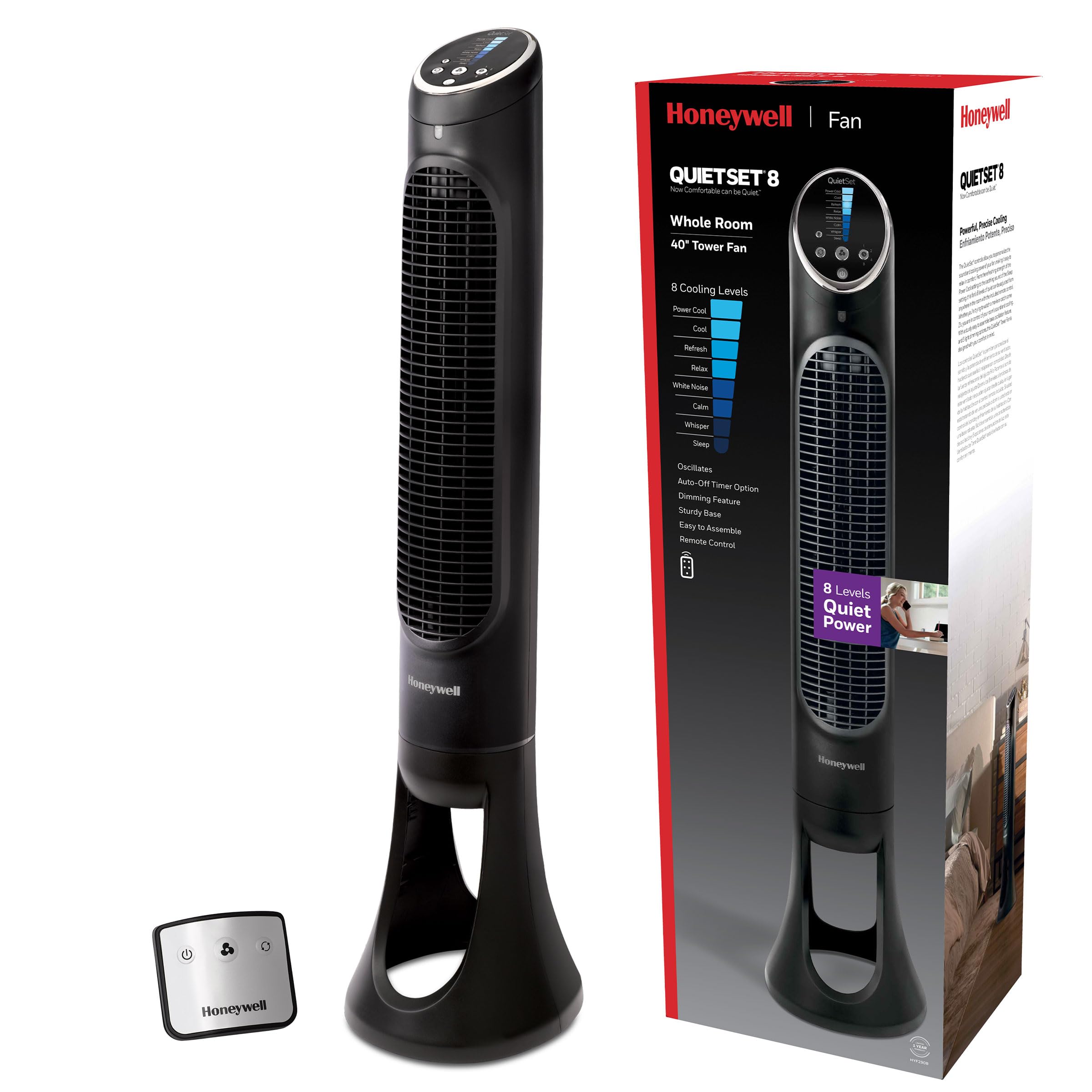
- The fan oscillates and includes a remote control.
- The remote stores in the back of the fan housing.
- Eight speed settings allow adjustment for the room.
Best Gift For: A caregiver who wants an oscillating fan for a bedroom, living room, or office.
Ivation IVADM10 Small Thermo-Electric Dehumidifier
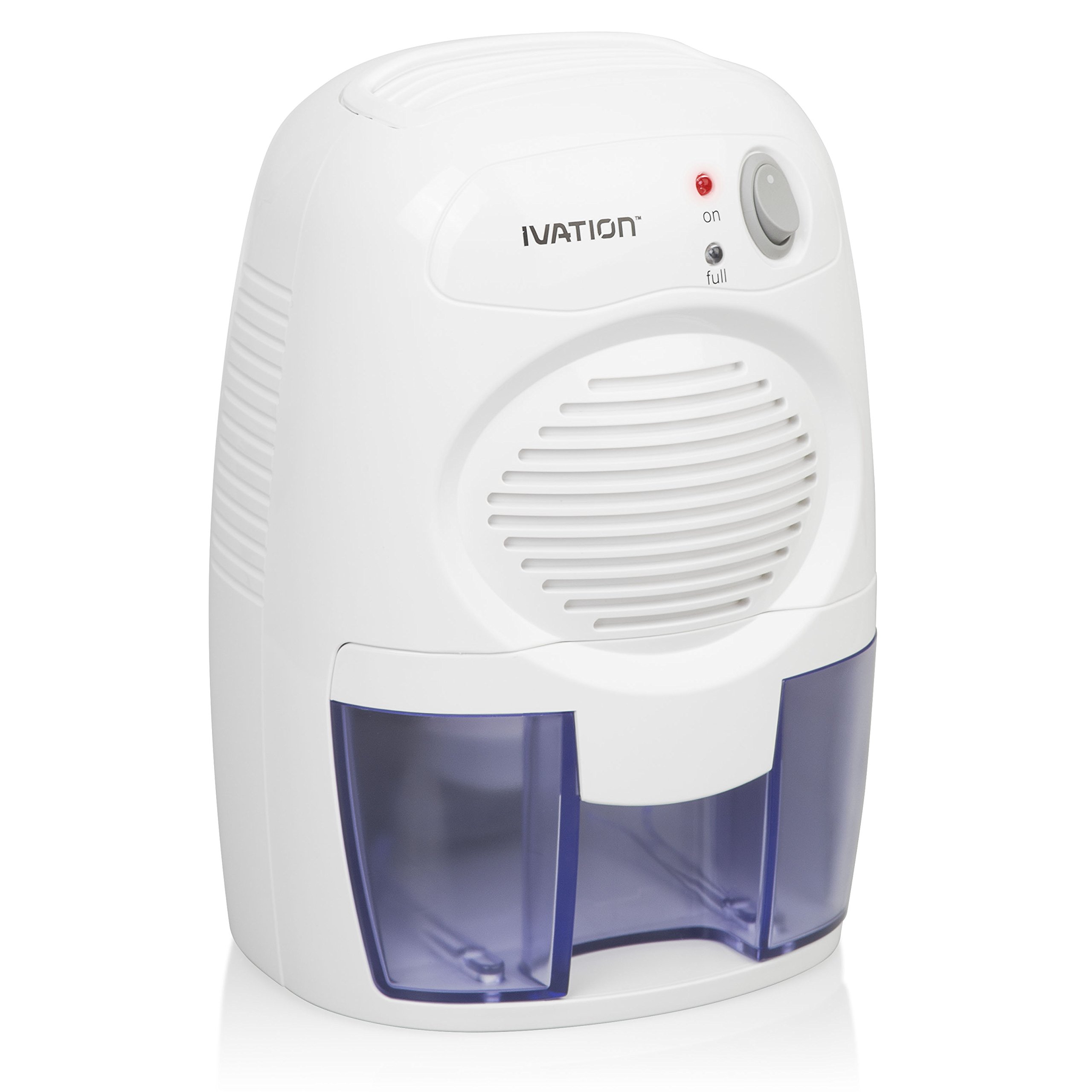
- The removable water tank holds 17 ounces.
- A washable air filter is included.
- The unit shuts off when the reservoir is full.
Best Gift For: A caregiver seeking a compact dehumidifier for a cupboard, small room, RV, or boat.
Choosing gifts for caregivers under 100 for daily routines
Start with the part of caregiving that takes up the most energy.
Someone who spends long stretches on their feet may value a home comfort gift, while a person coordinating appointments may appreciate a paper planner or a headset for calls. gifts for caregivers under 100 can be practical without feeling impersonal when the choice reflects a real part of the recipient’s day.
Think about where the gift will live and how often it will be used. A desk accessory suits someone with a regular work corner; a portable item may be easier for a caregiver moving between home, work, and appointments.
If you are unsure, favor a simple item with a clear everyday use.
Ask a trusted family member about preferences when the gift could affect comfort or fit. For wellness and room products, consider personal sensitivities, available space, and whether the recipient already owns something similar.
A little context helps a useful object feel considered.
Balance the budget with the whole cost
Set a comfortable spending range first, then compare the kinds of help each gift offers. A small daily-use item may be a better fit than a larger home device if the recipient has limited storage or prefers fewer belongings.
Think about whether accessories or replacement supplies may add to the eventual cost.
For room or comfort equipment, check current prices along with dimensions, power needs, and cleaning requirements before ordering. Confirm that the space can accommodate the item and that the recipient is comfortable with its controls.
For anything involving personal fit, ask discreetly rather than guessing.
A modest gift can feel complete when it comes with a handwritten note or a favorite snack. Shared contributions can make a more substantial present possible, but agree on the choice in advance so the recipient does not receive duplicate equipment or something they cannot use.
Personalize gifts for caregivers under 100 with care
Personalization can be as simple as matching the gift to a known routine: a quiet tea break, planning appointments, or taking a few minutes to sit after work. gifts for caregivers under 100 become more meaningful when the note names the everyday moment you hope to make easier, without implying that a gift can solve the demands of caregiving.
Consider presentation that suits the person. A planner can be paired with a short note on the inside cover; a home item can be wrapped with a card offering help setting it up, if they would welcome that.
Keep the gesture low pressure and let the recipient decide when or whether to use it.
If you are buying for someone whose schedule is unpredictable, flexible gifts and simple packaging are often considerate. Avoid adding care tasks, such as complicated assembly or ongoing maintenance, unless you know the person wants that.
A thoughtful message and an offer of practical support can carry as much meaning as the object.
Last-minute buying advice for caregiving gifts
When time is short, choose an item whose purpose is immediately clear and whose size or compatibility is easy to verify. Check the latest product details, dimensions, and any device connections required.
Delivery estimates can change, so review the expected arrival date at checkout before relying on a gift for a particular occasion.
Look for a straightforward way to make the gift feel personal even if the choice is practical. A brief card can acknowledge a specific routine or thank the recipient for a particular kind of help.
If the item needs setup, offer assistance only if you can follow through at a convenient time.
If the right choice depends on preferences you do not know, ask someone close to the recipient or choose a flexible alternative. Keep the receipt or gift receipt when available, and avoid promising a date until the checkout estimate is clear.
This helps the present arrive with less pressure.
Make room for practical care
The most useful present often fits a moment the caregiver already has: a short break, a work session, a quiet evening, or time spent planning the week. Keep the recipient’s habits and space at the center, and let the gesture recognize them as a person beyond their caregiving responsibilities.
For a shared gift, coordinate who is buying it and who will write the note. For a solo gift, a small observation about why you chose it can add warmth without overexplaining.
The goal is to offer comfort, organization, or convenience in a way that respects the recipient’s choices.
If the person prefers experiences or help over objects, offer a specific, manageable kind of support alongside the present, such as covering a task or bringing a meal at an agreed time. Keep the offer realistic and easy to accept.
Thoughtful timing and follow-through can make a practical gift feel especially generous.